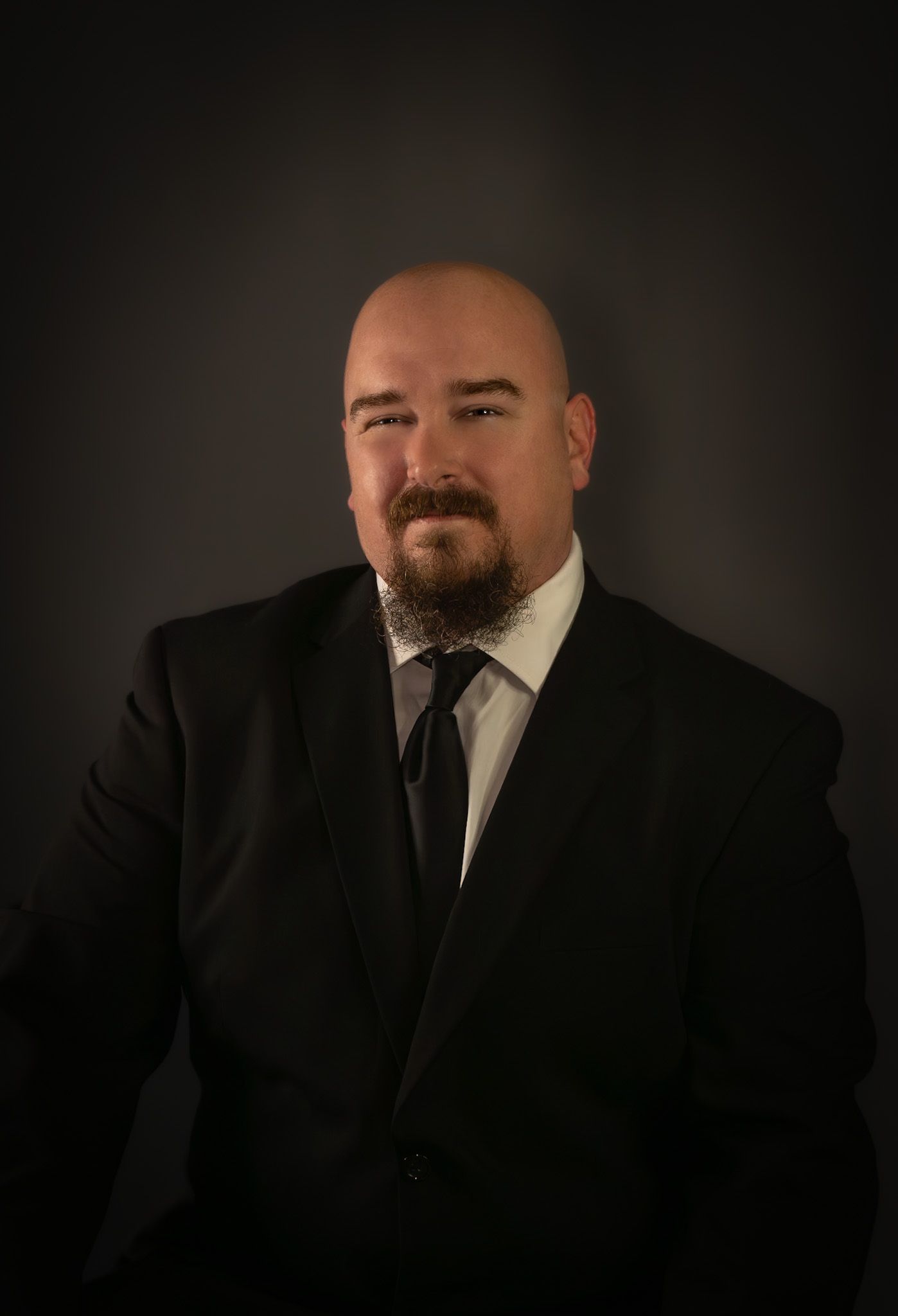
Robert Walton
Introduction Video
About Me
Robert Walton is a Certified Hypnotherapist and pain management specialist and the founder of Walton Hypnotherapy. His work focuses exclusively on helping individuals reduce and manage pain by addressing the brain–body patterns that influence how pain is perceived, processed, and maintained. Robert specializes primarily in Tension Myositis Syndrome (TMS)—also known as Mind-Body Syndrome—and Fibromyalgia, conditions often associated with nervous system sensitization and nociplastic pain. His work centers on helping the brain and nervous system learn to reduce pain signaling and return to a more balanced state. While his primary focus is chronic pain conditions such as TMS and Fibromyalgia, Robert is trained in working with all three major categories of pain: • Acute (nociceptive) pain related to injury or inflammation • Neuropathic pain involving nerve irritation or damage • Nociplastic pain associated with nervous system sensitization Using a combination of clinical hypnosis, conversational hypnosis, and guided imagery, Robert works directly with the subconscious processes that influence the nervous system’s response to pain. His approach is designed to help clients reduce pain intensity, calm the autonomic nervous system, and restore a sense of safety and control within the body. Robert is certified in pain management hypnosis, hypnosis for seniors, immune system support, tinnitus management, fears and anxieties, and trauma recovery hypnosis. This broad training allows him to address not only the physical experience of pain but also the stress responses, emotional conditioning, and learned nervous system patterns that often maintain chronic pain cycles. Pain management work at Walton Hypnotherapy typically involves one to three sessions, depending on individual needs and consultation outcomes. A doctor’s referral is recommended, and Robert can provide one upon request. Known for his calm, grounded presence and clear explanations, Robert emphasizes that pain is real while helping clients understand how the brain’s natural neuroplasticity can be used to reduce pain signaling and create meaningful, lasting improvement.
Qualifications & Certifications
Patient Reviews
Book Session
Loading...
Loading...