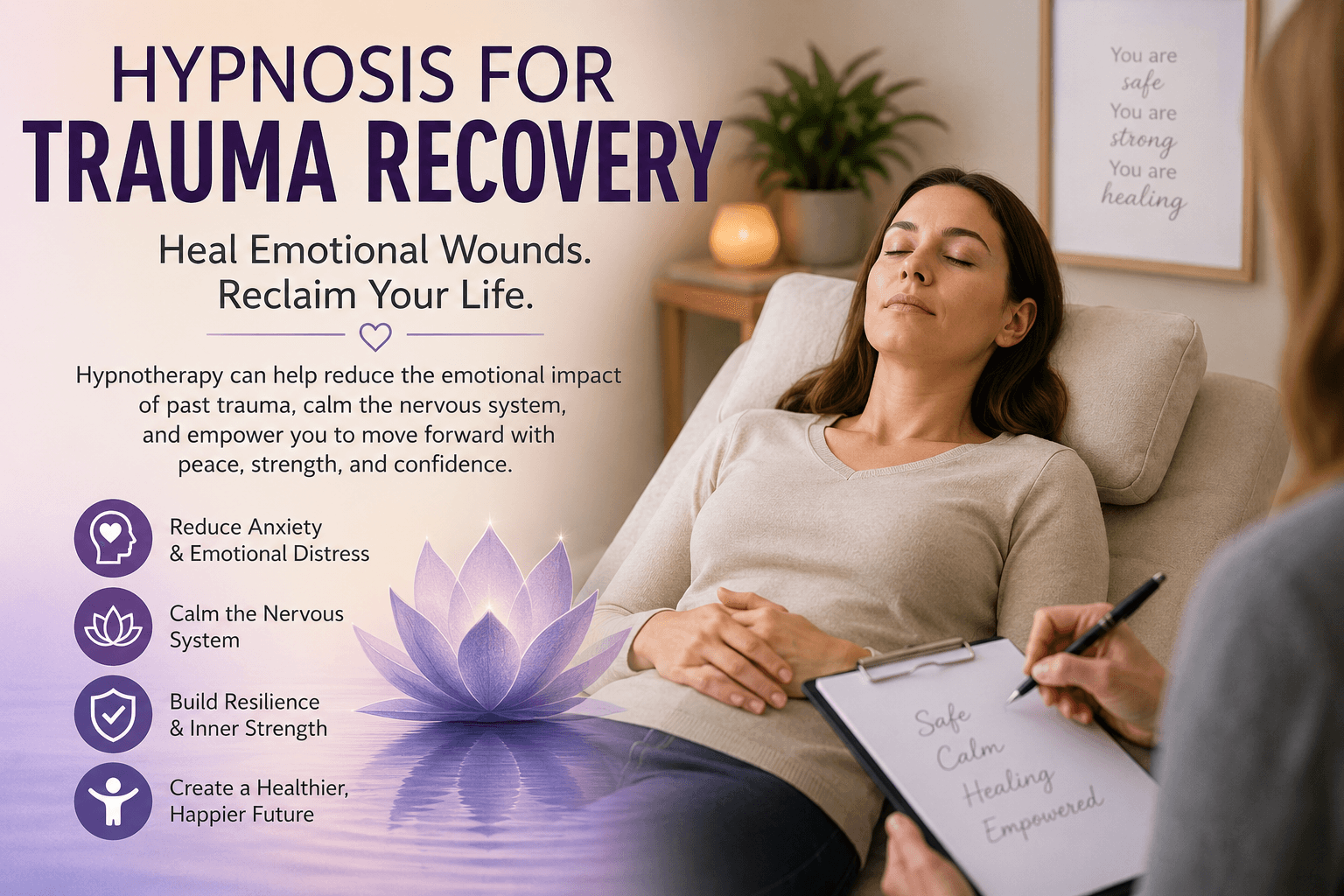
Trauma can leave deep emotional imprints that affect every aspect of life—relationships, confidence, sleep, work, and overall well-being. While traditional talk therapy can be incredibly valuable, many people are discovering that hypnosis for trauma recovery offers a gentle and effective way to access the subconscious mind and support lasting healing.
At INeedHypno, our professional hypnotherapists help clients process difficult experiences, reduce emotional distress, and develop healthier responses to life's challenges. Hypnosis is not about erasing memories; rather, it helps individuals change how those memories affect them in the present.
What Is Trauma?
Trauma is the emotional response to an overwhelming or distressing event. Trauma can result from:
Childhood adversity or neglect
Physical, emotional, or psychological abuse
Military combat experiences
Car accidents or injuries
Medical procedures or chronic illness
Loss of a loved one
Natural disasters
Relationship betrayals or divorce
Workplace stress or bullying
Not everyone responds to difficult events in the same way. What feels manageable for one person may create lasting emotional wounds for another. Trauma lives not only in conscious memory but often within subconscious patterns, beliefs, and automatic reactions.
How Trauma Affects the Mind and Body
Trauma can manifest in many different ways, including:
Anxiety and panic attacks
Depression
Sleep disturbances and nightmares
Hypervigilance
Emotional numbness
Low self-esteem
Relationship difficulties
Chronic stress
Unexplained physical tension
Self-sabotaging behaviors
The nervous system can remain in a constant state of protection long after the original danger has passed. This is where hypnotherapy may provide unique benefits by helping the mind learn that safety exists in the present moment.
What Is Hypnosis?
Hypnosis is a naturally occurring state of focused attention and deep relaxation. During hypnosis, individuals remain aware and in control while becoming more receptive to positive suggestions and inner exploration.
Modern clinical hypnosis is supported by growing research and is used by many professionals to assist with issues such as stress management, anxiety, pain control, habit change, and emotional well-being.
Hypnotherapy works with the subconscious mind—the part of us that stores habits, emotions, beliefs, and automatic responses.
How Hypnosis Can Help With Trauma
1. Reducing Emotional Reactivity
Traumatic memories often trigger powerful emotional reactions even years later. Hypnosis may help individuals create emotional distance from distressing experiences so they can remember events without becoming overwhelmed by them.
The goal is not to forget what happened but to reduce the intensity of fear, anger, shame, or helplessness associated with those memories.
2. Calming the Nervous System
Trauma frequently keeps the body locked in fight, flight, or freeze responses. Hypnotic relaxation techniques help activate the body's natural relaxation response.
Many clients report:
Learning to relax deeply can become a powerful skill that extends far beyond the hypnosis session itself.
Traumatic experiences often create subconscious beliefs such as:
Hypnotherapy can help individuals challenge and replace these harmful beliefs with healthier, more empowering perspectives.
Developing new internal narratives may improve confidence, resilience, and self-compassion.
4. Supporting Inner Healing and Self-Compassion
Many trauma survivors become highly critical of themselves. Hypnosis frequently incorporates imagery, guided visualization, and compassionate inner dialogue to foster acceptance and emotional healing.
Building self-compassion can be one of the most transformative aspects of trauma recovery.
5. Reinforcing Healthy Coping Skills
Hypnotherapy can strengthen positive habits and coping mechanisms, including:
These tools help individuals move beyond survival mode and toward genuine growth and fulfillment.
Hypnosis Is Not Mind Control
One of the biggest myths about hypnosis is that people lose control or become unconscious.
In reality:
You remain aware throughout the process.
You cannot be forced to do anything against your values.
You can end the session at any time.
The therapist acts as a guide rather than a controller.
Hypnosis is a collaborative process that empowers clients to access their own inner resources.
Not all hypnosis approaches are appropriate for individuals with significant trauma histories. Trauma-informed hypnotherapists understand the importance of:
Establishing safety first
Moving at the client's pace
Avoiding unnecessary re-traumatization
Building coping resources before exploring difficult material
Respecting personal boundaries and autonomy
The emphasis should always remain on empowerment, resilience, and present-day well-being.
Combining Hypnosis With Other Healing Approaches
Hypnosis often works well alongside other wellness practices, including:
An integrative approach allows individuals to address healing from multiple angles—mind, body, and emotions.
Is Hypnosis Right for You?
You may benefit from hypnotherapy if you:
Experience lingering emotional effects from past events
Feel stuck in unhealthy patterns or beliefs
Struggle with anxiety related to previous experiences
Want to develop greater emotional resilience
Are looking for complementary approaches to personal growth and healing
Every person's journey is unique, and working with a qualified professional can help determine the best approach for your needs.
Taking the First Step Toward Healing
Recovery from trauma is not about forgetting the past. It is about changing your relationship with it so that old experiences no longer control your present life.
Hypnosis offers a gentle pathway toward relaxation, self-understanding, and personal transformation. By working with the subconscious mind, individuals can cultivate new perspectives, healthier habits, and a renewed sense of inner strength.
At INeedHypno, our network of professional hypnotherapists is dedicated to helping clients move toward greater peace, confidence, and emotional well-being.
Begin Your Journey With INeedHypno
If you're ready to explore how hypnosis may support your healing journey, our experienced practitioners are here to help.
Frequently Asked Questions
Can hypnosis erase traumatic memories?
No. Ethical hypnotherapy does not erase memories. Instead, it aims to reduce the emotional distress associated with them and help individuals develop healthier responses.
Is hypnosis safe for people with trauma histories?
When provided by a qualified, trauma-informed professional, hypnosis can be a gentle and supportive tool. The process should always prioritize safety, consent, and emotional regulation.
How many sessions does trauma-focused hypnotherapy take?
The number of sessions varies depending on individual goals, history, and needs. Some people notice improvements within a few sessions, while others prefer longer-term support.
Can hypnosis be combined with traditional therapy?
Yes. Many people use hypnosis as a complementary approach alongside counseling, psychotherapy, mindfulness practices, or other wellness strategies.