
Pain help with hypnosis! A history and touch on all three pain types.
Blog on hypnosis and its history of pain management
, 5 min read
A blog on neurogenic/mind body pain. How hypnosis, NLP and Yoga Nidra can help.
Living with chronic pain can be physically exhausting and emotionally draining. For individuals experiencing neurogenic pain, also known as neuropathic pain, traditional treatments do not always provide complete relief. As a result, many people seek complementary approaches that address not only the body but also the mind's influence on pain perception.
Among the most promising mind-body approaches are hypnosis for pain management, Neuro-Linguistic Programming (NLP), and Yoga Nidra meditation. These techniques work with the nervous system, subconscious mind, and relaxation response to help individuals develop healthier responses to discomfort and improve their overall quality of life.
Neurogenic or neuropathic pain occurs when nerves become damaged, irritated, or dysfunctional. Unlike pain caused by a recent injury, neuropathic pain may continue long after tissues have healed.
Common symptoms include:
Burning sensations
Tingling or "pins and needles"
Shooting or electric shock-like pain
Hypersensitivity to touch
Numbness
Persistent aching
Conditions commonly associated with neuropathic pain include:
Sciatica
Fibromyalgia
Diabetic neuropathy
Multiple sclerosis
Post-herpetic neuralgia
Complex regional pain syndrome (CRPS)
Spinal cord injuries
Because the nervous system itself is involved, the brain's interpretation of sensory signals becomes a critical component of the pain experience.
Modern neuroscience has demonstrated that pain is not simply a direct signal from injured tissue. Pain is an experience generated by the brain after processing information from the body, emotions, memories, expectations, and environmental factors.
Pain perception can be influenced by:
Stress levels
Anxiety
Sleep quality
Emotional state
Attention and focus
Personal beliefs
Previous experiences
When the nervous system remains in a heightened state of alertness, pain signals may feel more intense. When relaxation and feelings of safety increase, pain perception often changes.
This understanding forms the foundation for using hypnosis, NLP, and Yoga Nidra as complementary approaches to pain management.
Hypnosis for chronic pain management has been studied extensively as a complementary technique that may help individuals develop greater control over their responses to discomfort.
During hypnosis, individuals enter a state of focused attention and deep relaxation. In this state, the subconscious mind becomes more receptive to positive suggestions that may influence perception, comfort, and coping abilities.
Hypnosis may help individuals:
Increase relaxation
Reduce stress
Improve sleep quality
Enhance emotional resilience
Shift focus away from discomfort
Develop greater feelings of control
Improve coping skills
Research suggests that hypnosis may influence how the brain processes pain-related information, helping some individuals experience greater comfort and well-being.
One popular hypnotic approach involves imagining a pain control dial or volume knob.
Clients are guided to visualize:
A control panel
A dimmer switch
A volume control
They then imagine gradually turning down the intensity. This mental exercise helps reinforce the idea that the mind can influence the experience of discomfort.
Neuro-Linguistic Programming (NLP) focuses on the relationship between thoughts, language, and behavior.
While NLP is not a medical treatment, it offers techniques that may help individuals alter how they mentally represent and respond to pain.
Many people unconsciously imagine their pain as:
Large
Dark
Sharp
Heavy
Close
NLP techniques encourage individuals to modify these mental images by imagining discomfort becoming:
Smaller
Softer
Lighter
More distant
Less intense
For some individuals, changing the mental representation may influence their emotional and sensory experience.
Pain often becomes associated with frustration, fear, and helplessness.
NLP reframing helps individuals develop more empowering perspectives by exploring questions such as:
What can I learn from this experience?
How can I respond differently?
What strengths am I developing?
Reducing emotional distress may help reduce nervous system activation and improve overall well-being.
NLP anchoring involves linking a calm and resourceful emotional state to a physical gesture.
Over time, activating the anchor may help trigger feelings of:
Calmness
Confidence
Safety
Relaxation
These emotional shifts can support stress reduction and nervous system regulation.
Yoga Nidra, often referred to as "yogic sleep," is a deeply restorative guided meditation practice that allows individuals to enter a state between wakefulness and sleep.
Unlike traditional meditation, Yoga Nidra is usually practiced while lying comfortably on the floor or in bed.
Yoga Nidra may help:
Promote deep relaxation
Reduce stress
Improve sleep quality
Enhance body awareness
Support nervous system regulation
Improve emotional well-being
Many individuals with chronic pain report that regular Yoga Nidra practice helps them feel more relaxed and better equipped to manage daily challenges.
A key component of Yoga Nidra is the systematic movement of awareness throughout the body.
This process may:
Encourage relaxation
Reduce muscle tension
Increase mindfulness
Promote acceptance and awareness
By learning to observe sensations without immediate reaction, individuals may develop a healthier relationship with discomfort.
These approaches complement one another exceptionally well.
Deep relaxation
Subconscious learning
Positive suggestion
Focused attention
Cognitive flexibility
Mental reframing
Empowerment strategies
Improved emotional responses
Nervous system regulation
Restorative relaxation
Mindfulness training
Improved sleep support
Together, they create a comprehensive mind-body approach that may support overall pain management and emotional well-being.
Stress and chronic pain often reinforce one another.
When stress increases:
Muscles tighten
Sleep quality declines
Anxiety increases
Pain sensitivity may increase
When relaxation deepens:
Breathing slows
Muscles release tension
Stress responses decrease
Comfort often improves
This does not mean pain is "all in your head." Rather, it acknowledges the important role the brain and nervous system play in shaping the pain experience.
Many individuals find self-hypnosis to be a valuable tool for managing stress and discomfort between professional sessions.
A simple self-hypnosis exercise may include:
Sitting or lying comfortably.
Taking several slow, deep breaths.
Counting backward from ten to one.
Imagining a peaceful place.
Visualizing a comfort or pain-control dial.
Turning the dial toward greater comfort.
Allowing relaxation to spread throughout the body.
Returning to full awareness feeling calm and refreshed.
Regular practice often strengthens results over time.
These techniques may be helpful as complementary wellness approaches for individuals experiencing:
Neuropathic pain
Chronic pain
Fibromyalgia-related discomfort
Sciatica
Arthritis-related discomfort
Stress-related symptom amplification
Tension-related discomfort
Sleep difficulties associated with chronic pain
Many individuals use these approaches alongside traditional medical care.
Hypnosis is not a cure for chronic pain. However, many individuals find that hypnosis helps them develop healthier responses to discomfort and improve overall quality of life.
Many individuals with chronic discomfort report improved relaxation, sleep quality, and stress management through regular Yoga Nidra practice.
NLP techniques may help individuals change how they perceive and respond to discomfort, potentially reducing emotional distress and improving resilience.
The information provided in this article is for educational and informational purposes only and is not intended as medical advice, diagnosis, or treatment. Hypnosis, Neuro-Linguistic Programming (NLP), Yoga Nidra, meditation, and other mind-body techniques are complementary approaches that may support relaxation, stress management, comfort, and overall well-being. They are not intended to diagnose, treat, cure, or prevent any disease or medical condition.
Chronic pain, neuropathic pain, neurogenic pain, and other health concerns should always be evaluated and treated by a qualified healthcare professional. Never disregard professional medical advice or delay seeking treatment because of information you have read on this website.
Results from hypnosis, NLP, Yoga Nidra, and related techniques vary from person to person. No specific outcomes can be guaranteed. If you are experiencing severe, worsening, or unexplained pain, consult your physician or other qualified healthcare provider promptly.
Walton Hypnotherapy and I NEED HYPNO do not provide medical, psychological, psychiatric, or healthcare services and do not replace the care of licensed medical professionals.
If you're struggling with chronic discomfort, neuropathic pain, stress-related symptom amplification, or simply want to explore natural mind-body approaches to wellness, professional guidance may help you develop new tools for relaxation and resilience.
At Ineedhypno, we utilize hypnosis, NLP techniques, relaxation training, meditation coaching, and other mind-body approaches designed to help clients improve their overall well-being and develop greater confidence in managing life's challenges.
Visit I NEED HYPNO today:
Schedule a session, explore available services, and discover how hypnosis may help you develop greater comfort, relaxation, and peace of mind.
Your mind is one of your greatest resources. Learn how to harness its potential through hypnosis, NLP, and deep relaxation techniques today.
Disclaimer: Hypnosis, NLP, Yoga Nidra, and related techniques are complementary wellness approaches and are not medical treatments. Always consult a qualified healthcare professional regarding medical conditions, diagnoses, or treatment decisions.
Want help with this one-on-one?
Book an online session with a certified hypnotherapist and work on it together, at a time that suits you.
Find a therapistBlog on hypnosis and its history of pain management
, 5 min read
A short introduction and explanation of hypnosis and how it can help with pain control.
, 3 min read
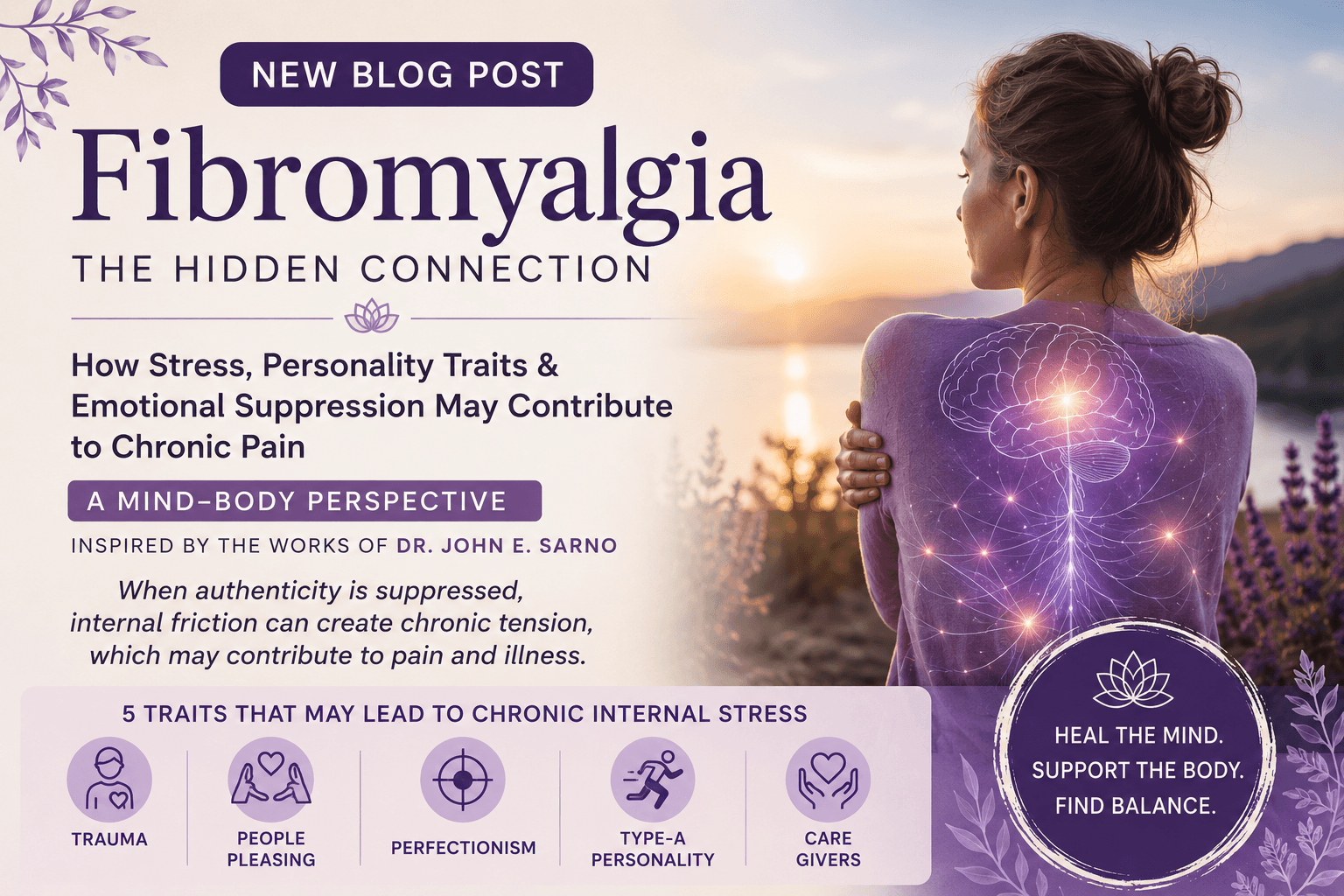
Blog on the link between Fibromyalgia and personality traits
, 5 min read